Are Grey Tabby Cats Hypoallergenic? What You Need To Know
As an Amazon Associate I earn from qualifying purchases.
Grey tabbies are a common sight, and plenty of people with allergies wonder whether the coat color makes any difference.
No, grey tabby cats are not hypoallergenic.
Key Takeaways
- Grey tabby cats are not hypoallergenic. They produce the Fel d1 protein in their saliva, fur and urine, which triggers allergic reactions in humans.
- To manage allergies around a grey tabby, groom regularly, wash bedding and clean litter boxes often, and consider an air purifier to reduce the allergens in your home.
- No cat breed is completely hypoallergenic. Siberians produce less Fel d1, and hairless breeds like the Sphynx spread fewer allergens because they have no fur to shed.
- Diet and stress can both contribute to excessive shedding, so good nutrition and a calm home may help cut allergens in your living space.
Why Do Grey Tabby Cats Cause Allergies?
Tabby isn’t a breed. It is a coat pattern, and tabbies are named for their recognizable markings. Grey tabbies have stripes of varying positions, and all of them carry the distinctive “M” marking on the forehead.

Like all cats, grey tabbies produce the Fel d1 protein in their saliva, fur and urine, and that protein is what triggers allergic reactions in humans. Because grey tabbies are not a specific breed, they are no different to other cats in producing it. Some breeds produce more or less than others and may suit allergy sufferers better.
When cats shed fur, groom themselves or use the litter box, they spread Fel d1 around your home, and you can react to it if you come into contact with it.
How To Own A Cat When You’re Allergic?
You can’t control how much Fel d1 your cat produces, but you can limit how far it spreads. Shedding is one of the main ways it travels, so start with your cat’s shedding.
How much your cat sheds depends on breed, diet, health and the season. Long-haired cats can seem to shed less than short-haired breeds, but their fur tangles easily. Short-haired cats shed more and are much easier to groom.
Some purebred cats, such as Himalayans and Bengals, are said to be more likely to have genes that cause hair loss. Others, such as the Sphynx, are bred to be hairless.
There are a few ways to reduce the amount your cat sheds.
Brushing Helps With Shedding
Brushing is one of the best ways to cut down on shedding. Regular brushing removes long hairs and the ones about to fall out anyway, so less ends up on your carpet, furniture and clothes. How often depends on the breed.
Brushes to Consider
These brushes work well, and they suit cats who dislike being brushed. They are a good size, take off a lot of fur and leave the coat soft and fluffy. If your cat doesn’t like a normal brush, a grooming glove can help get them used to it.


Diet
Cats should always be fed a quality, balanced diet.
Even with a decent food, a cat can still run short on specific nutrients. Vitamins A, E and B are needed to produce and maintain healthy fur, and a cat that doesn’t get enough of them can shed more than usual.
All cats also need plenty of protein to keep their fur healthy. Some dry foods have less protein than wet foods, which often contain more meat. If your cat is shedding heavily, switching to a mix of wet and dry, or to all wet food, could help. There are lots of foods to try, so it is worth experimenting until you find one that improves the coat and cuts shedding.
Stress and Shedding
A stressed cat may shed fur in large clumps. There are plenty of reasons a cat can be stressed, and it doesn’t always mean something is medically wrong.
Location changes are a common cause. Bringing a new cat into your home can be stressful, and here are tips on introducing a new cat into your home. It is especially true for rescue cats with issues or a troubled past.
Loud noises can stress cats. That includes loud music, heavy traffic noise and thunderstorms. If your cat is shedding a lot, try turning down the background noise.
How To Minimize Allergic Reactions?

Change clothing and bedding regularly
If your cat sleeps on your bed, stopping that will make a big difference for allergy sufferers. Washing bedding and clothes often helps too.
Vacuum regularly
Removing cat hair and other particles from floors and surfaces stops allergens building up where you’ll come into contact with them.
Read More: Tips To Manage Cat Hair
Clean out litter box often
Outdoor cats may not use a litter box, but if yours does, or is an indoor cat, cleaning the tray often reduces allergens in the area and stops them being carried through the house.
Read More: How Often To Change Cat Litter
Wash hands regularly
Washing your hands often reduces the spread of allergens onto your household items.
Use an air filter
Air purifiers pull loose hair and other particles out of the air before they settle on your clothes, furniture or bedding.
A HEPA air purifier helps reduce airborne allergens, pollen, dust and other fine particles. A budget-friendly option is this model from Levoit.


Change carpets to solid flooring
A lot of the hair a grey tabby sheds ends up on the floor, and carpet holds on to it far more quickly than solid flooring does. Even frequent vacuuming doesn’t get it all out. Swapping carpet for solid floors is an extreme step, but it is an option for an allergy sufferer who wants to keep cats.

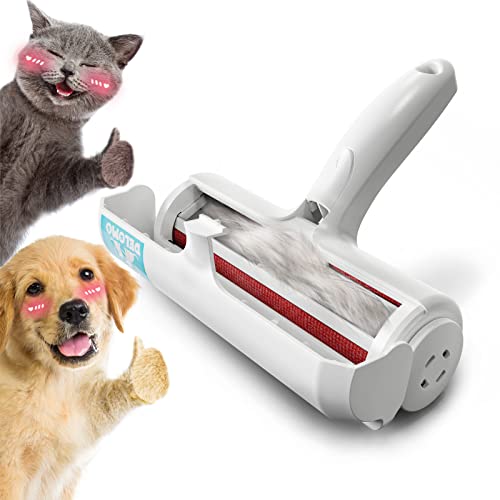
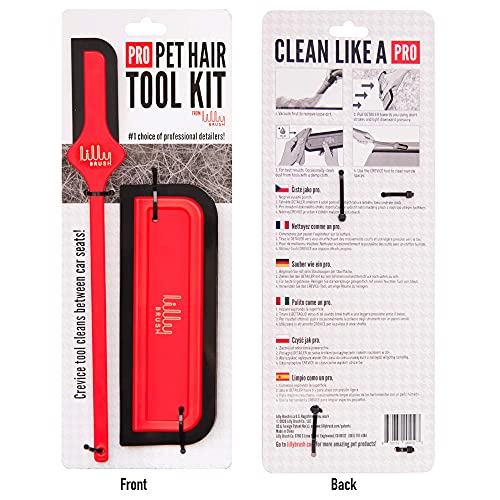
If you do have carpets, a handheld carpet scraper is worth having. It brushes the cat hair out of the carpet so you can vacuum it up, and you’ll be surprised how much comes out.

Read this article for more about why grey tabby cats shed and how to cut it down.
Are Any Cat Breeds Hypoallergenic?
No cat breed is completely hypoallergenic, but some breeds, such as Siberians, produce less Fel d1 protein and can be better for people with cat allergies. Some breeds also shed less fur than others, which can help too.
Cat Breeds Which Shed Less
- Sphynx
- Burmese
- Bengal
- Bombay
- Savannah
- Russian Blue
- Devon Rex
- Cornish Rex
- Colorpoint Shorthair
- Siamese
Are Hairless Cats Hypoallergenic?
Some breeds, such as the Sphynx, have been selectively bred to be hairless. Does that make them hypoallergenic?

Like all cats, Sphynx cats produce Fel d1, but with no fur to shed they don’t spread it that way. It is still present on their skin and saliva, so there is still a risk of allergies, though Sphynx cats can cause fewer reactions than other breeds. They are still not considered hypoallergenic.
Does the Grey Coat Matter?
Grey tabby cats are not hypoallergenic. They produce Fel d1 in their saliva, fur and urine like any other cat, and that protein is what triggers allergic reactions in humans. Tabby cats are not a specific breed, so there is nothing about the coat that changes that.
Frequently Asked Questions
No. Tabby is a coat pattern rather than a breed, and it is one of the most common patterns in domestic cats. You can find it in many different breeds.
That depends more on socialization, upbringing and individual personality than on coat color or pattern. Tabbies range from friendly and outgoing to reserved or independent. Spend time with a cat before adopting it to see how friendly it is.
It varies, since “tabby” describes a coat pattern and not a breed. Many owners describe grey tabbies as intelligent, playful and often affectionate, but each cat differs, so spend time with a particular cat to get to know it.
Probably the “cinnamon” or “fawn” tabby, which is a warm reddish-brown. They are seen less often than the usual grey, brown or orange tabbies.
Temperament varies like in any cat. Many people think grey cats are reserved and dignified, but that is a generalization rather than a rule. Grey cats come in many breeds.
About the same as other domestic cats, and it depends more on health, care and genetics than on coat color. On average domestic cats live 13 to 17 years, and many reach their early 20s or longer with good care.
It depends on the cat’s personality and experiences. Some are independent and others want constant company. Tabbies come in all temperaments, so it is hard to generalize.
Pin for later:
