Are Persian Cats Hypoallergenic? Must Read!
As an Amazon Associate I earn from qualifying purchases.
Persians have a long, thick coat, and people with allergies tend to be wary of them.
Persian cats are not hypoallergenic.
Persian cats, like all cats, produce the Fel d1 protein in their saliva, fur and urine. That protein is what triggers allergic reactions in humans.
Why Do Persian Cats Cause Allergies?
Persians make Fel d1 in their saliva, fur and urine just like every other cat, and it is the protein that triggers allergic reactions in humans. When a cat sheds fur, grooms itself or uses the litter box, the protein gets spread around your home, and you react when you come into contact with it.
Persians that have a tabby pattern carry the “M” marking on the forehead that tabbies are known for.
There are also miniature or “Teacup” Persians, which are similar but bred to be much smaller. Read more about them here.
How To Own A Cat When You’re Allergic?

You can’t control how much Fel d1 your cat produces, but you can limit how far it spreads. Shedding is one of the main ways it travels, so start with your cat’s shedding.
How much your cat sheds depends on breed, diet, health and the season. Long-haired cats can seem to shed less than short-haired breeds, but their fur tangles easily. Short-haired cats shed more and are much easier to groom.
There are a few ways to reduce the amount your cat sheds.
Brushing Helps With Shedding
Brushing is one of the best ways to cut down on shedding. Regular brushing removes long hairs and the ones about to fall out anyway, so less ends up on your carpet, furniture and clothes. How often depends on the breed.
Brushes to Consider
These brushes work well, and they suit cats who dislike being brushed. They are a good size, take off a decent amount of fur and leave the coat soft and fluffy. If your cat doesn’t like a regular brush, a grooming glove can help get them used to it.


Diet
Cats should always be fed a quality, balanced diet.
Even with a decent food, a cat can still run short on specific nutrients. Vitamins A, E and B are needed to produce and maintain healthy fur, and a cat that doesn’t get enough of them can shed more than usual.

Cats also need plenty of protein to keep their fur healthy. Some dry foods have less protein than wet foods, which often contain more meat. If your cat is shedding heavily, switching to a mix of wet and dry, or to all wet food, could help. There are lots of foods to try, so it is worth experimenting until you find one that improves the coat and cuts shedding.
Stress and Shedding
A stressed cat may shed fur in large clumps. There are plenty of reasons a cat can be stressed, and it doesn’t always mean something is medically wrong.

Changes in location are a common cause. Bringing a new cat into your home can be stressful, and this goes double for rescue cats with existing issues or troubled pasts.
Loud noises can stress cats. That includes loud music, heavy traffic noise and thunderstorms. If your cat is shedding a lot, try turning down the background noise.
How To Minimize Allergic Reactions?
Change clothing and bedding regularly
If your cat sleeps on your bed, stopping that will make a big difference for allergy sufferers. Washing bedding and clothes often helps too.
Vacuum regularly
Removing cat hair and other particles from floors and surfaces stops allergens building up where you’ll come into contact with them.
Clean out litter tray often
Outdoor cats may not use a litter tray, but if yours does, or is an indoor cat, cleaning the tray often reduces allergens in the area and stops them being carried through the house.
Wash hands regularly
Washing your hands often reduces the spread of allergens onto your household items.
Use an air filter
Air purifiers pull loose hair and other particles out of the air before they settle on your clothes, furniture or bedding.
Look for an air purifier with a HEPA filter, which captures airborne allergens, dust and other fine particles. This model from Levoit is a budget-friendly choice.


Change carpets to solid flooring
A lot of the hair a Persian sheds ends up on the floor, and carpet holds on to it far more than solid flooring does. Even frequent vacuuming doesn’t get it all out. Swapping carpet for solid floors is an extreme step, but it is an option for an allergy sufferer that wants to keep cats.

If you do have carpets, a handheld carpet scraper is worth having. It brushes the cat hair out of the carpet so you can vacuum it up, and you’ll be surprised how much comes out.

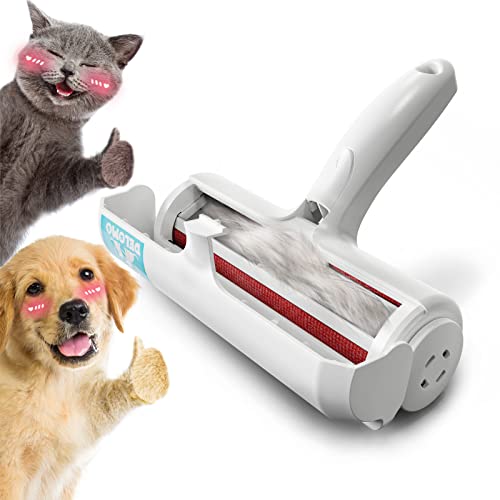
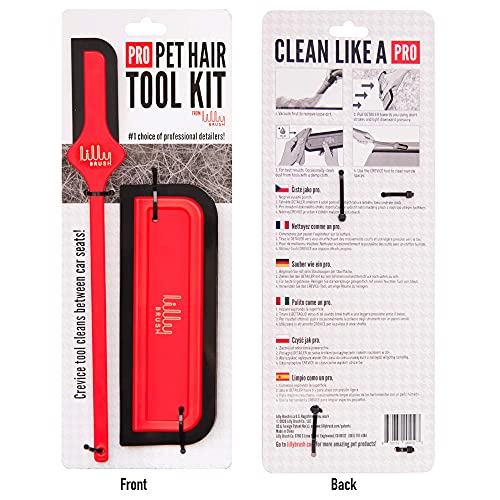
Read this article for more about why cats shed and how to cut it down.
Is Any Cat Breed Hypoallergenic?
No cat breed is entirely hypoallergenic, but some breeds, such as Siberians, produce less Fel d1 and can be better for people with cat allergies. Some breeds also shed less fur than others, which can help too.
Cat Breeds Which Shed Less
Persians, Teacups and Fel d1
Persian cats are not hypoallergenic. They make Fel d1 in their saliva, fur and urine like any other cat, and that protein is what triggers allergic reactions in humans.
Persians have a fur pattern associated with the group of tabby cats (read more about tabby cats here). There are also miniature or “Teacup” Persians, bred to be much smaller. Read more about them here.
Frequently Asked Questions
Not really. Persians produce allergenic proteins in their saliva and dander, so they can trigger allergies in sensitive people. Reactions vary from person to person, and some people tolerate Persians better than other breeds. Spend time with the specific cat before you decide.
No cat is truly hypoallergenic, but some breeds produce fewer allergenic proteins or shed less dander. Balinese, Russian Blue, Sphynx and Devon Rex are often named. Individual reactions still vary, so spend time with the breed before you commit.
They can. The allergenic proteins in a Persian’s saliva, dander and urine can trigger asthma symptoms in people with asthma or respiratory sensitivities, like any other cat. If you have asthma or are prone to breathing problems, talk to a doctor before taking one on.
Mostly grooming. Their long fur needs regular brushing and baths, and it mats if the coat isn’t kept up. It also collects dirt and debris, so there is more cleaning too. Their facial structure can also cause health problems, such as eye and breathing issues, and their eyes need regular cleaning.
It depends how severe your allergies are and how well you can manage them. People with mild allergies can often live with a cat by cleaning regularly, using air purifiers and limiting exposure. With severe allergies it may be hard or not recommended. Talk to a doctor before deciding.
Persians are known for being calm and gentle, and many enjoy cuddling, but individual personalities vary. Let each cat choose when to engage, and give them a safe, comfortable place to do it.