Do Savannah Cats Shed? Everything You Need To Know
As an Amazon Associate I earn from qualifying purchases.
Savannah cats are one of the most sought-after breeds, thanks to their exotic look and playful personality. One of the questions owners ask most is do Savannah cats shed?
The Savannah Coat in Brief
- Shedding: Savannah cats do shed, but generally less than other breeds because of their short, tight coat. Diet, season and stress all affect how much.
- Grooming: Regular brushing is an effective way to manage shedding. Savannahs are not hypoallergenic, but their lower shedding may make them an easier option for people with allergies.
- Diet and health: A balanced diet supports a healthy coat and less shedding. Stress and some health conditions can change shedding patterns, so see a vet if you notice a change.
- Indoor vs. outdoor: Outdoor Savannahs may shed more because of the varying climate. Indoor cats are generally easier to manage, particularly in air-conditioned homes.
Regular grooming makes a real difference, and so do a few habits that keep your home free of excess hair.
Do Savannah Cats Shed?
Savannah cats shed like most cats, though less than many.
How much yours sheds depends on diet, health, the season and a few other things covered below.
Shedding means hair all over the house and constant grooming, and the Savannah is a cross between a domestic cat and a wild African serval, so people are unsure what to expect.
Savannahs do shed, but not as much as other breeds. Their short, tight coat is easier to maintain and sheds less than longer-haired cats.
Savannahs are a specific breed, though their fur pattern is associated with tabby cats (more on tabbies here).
Why Do Savannah Cats Shed?
Shedding By Season
Cats shed more in spring and fall, when the temperature changes. It mostly affects cats who spend a lot of time outdoors.
In spring they lose the thick undercoat that kept them warm over winter, which helps them stay cooler in summer.
Skin problems can add to it. Dry winter air indoors can irritate a cat’s skin, and some cats are allergic to tree or grass pollen. Both can mean heavier shedding.
Diet
Feed a good-quality, balanced diet.
Even with a decent store-bought food, a cat can end up short on certain nutrients. Vitamins A, E and B are needed to grow and maintain healthy fur, and a cat that doesn’t get enough can shed more than usual.
Protein matters too. Some dry foods contain less than wet foods, which often have more meat. If your cat is shedding heavily, try a mix of wet and dry or switch to all wet. It may take a few different foods to find the one that suits your cat’s coat.
Water keeps the fur healthy as well. Our article covers how much a cat should drink each day.
Stress and Shedding
A stressed cat may shed fur in clumps. It doesn’t always mean something is medically wrong.
Moving house is a common cause, and so is bringing a new cat into the home. Here are tips on introducing a new cat into your home. It hits rescue cats with a troubled past especially hard.
Loud noises can stress cats too: loud music, heavy traffic, thunderstorms. If your cat is shedding a lot, try turning the background noise down.
Baths
Healthy adult cats rarely need a bath because they groom themselves.
Older or overweight cats sometimes can’t manage it and need an occasional bath to remove dirt and loose hair. Cats with skin allergies and similar conditions may be prescribed regular baths with a medicated shampoo.
Only use a shampoo made for cats. Cat skin has a different pH from human skin, and even baby shampoo is too harsh.
Rinse every trace out, because the cat will lick itself afterward and swallow any residue.
Indoor vs Outdoor
Indoor cats and outdoor cats shed quite differently.
Outdoor cats are exposed to changing temperature, sunlight and weather, and they shed more in summer to stay cool.
Indoor cats don’t deal with the same swings, especially where air conditioning is standard.
Age & Gender
Older cats tend to shed more than younger ones, and you’ll notice it as your cat ages.
Pregnant females also shed more than usual.
Illness
Shedding is normal, and illness often reduces it. If your cat is shedding less than usual, have a vet check for a health problem.
How to Reduce Savannah Cat Shedding
Brushing Helps With Shedding
Brushing is one of the best ways to cut down on shedding. It takes out the loose hair before it ends up on your carpet, furniture and clothes. How much brushing a cat needs depends on the breed (there’s a breakdown further down).
Long-haired cats tend to shed less than short-haired ones, but their fur tangles easily and is harder to groom. Short-haired cats like Savannahs are much easier.
Brushes to Consider
This brush works well, even for cats who dislike brushing. It’s a good size, pulls out plenty of fur and leaves the coat soft and fluffy. If your cat won’t tolerate a normal brush, a grooming glove can help get them used to it.


More Tips
- Groom and brush your cat regularly
- Bathe your cat occasionally, if they need it
- Change your cat’s diet
- Keep your cat hydrated
- Keep their environment calm
Why Do Some Cats Shed More Than Others?
Some breeds shed more than others because cats have different layers of fur, and many breeds are double or even triple-layered. A cat’s coat is a mix of:
- Down hair
- Awn hair
- Guard hair
Down hair is the thick undercoat that keeps a cat warm in winter. Awn hair makes up most of what you see, adds to the coat color and protects the down hairs. Guard hairs are coarse and thick, and help keep the cat dry.
Cat Breeds That Shed More
These breeds tend to shed more than most:
- British Longhair
- Himalayan
- Coupari
- Persian
- Siberian
- Ocicat
- American Bobtail
- American Curl
- Chartreux
- Cymric
- Nebelung
Cat Breeds That Shed Less
- Sphynx
- Burmese
- Bengal
- Bombay
- Russian Blue
- Devon Rex
- Cornish Rex
- Colorpoint Shorthair
- Siamese
- Birman
- Oriental
- Tonkinese
- Korat
- Scottish Fold
- Ragdoll
Are Savannah Cats Hypoallergenic?
Savannah cats are not hypoallergenic.
Like all cats, Savannah cats produce the Fel d1 protein in their saliva, fur and urine. This protein is what triggers allergic reactions.
Savannahs produce this protein like any other breed. They shed less, so they spread it around less, but it’s still on their skin and in their saliva, so allergy risk remains.
Minimize Allergies
- Change clothing and bedding regularly
- Vacuum regularly
- Clean out litter box often
- Use an air filter
- Wash hands regularly
- Change carpets to solid flooring
Best Breeds For Allergy Sufferers
- Sphynx
- Siberian
- Bengal
How To Remove Savannah Cat Hair From Carpet
Most of what a Savannah sheds ends up on the floor. With carpets, it can feel like no amount of vacuuming gets rid of it.
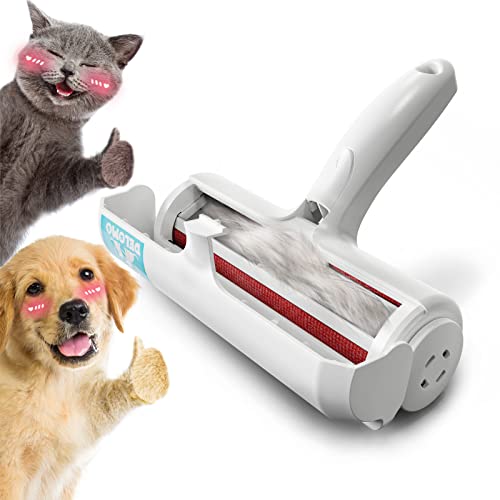
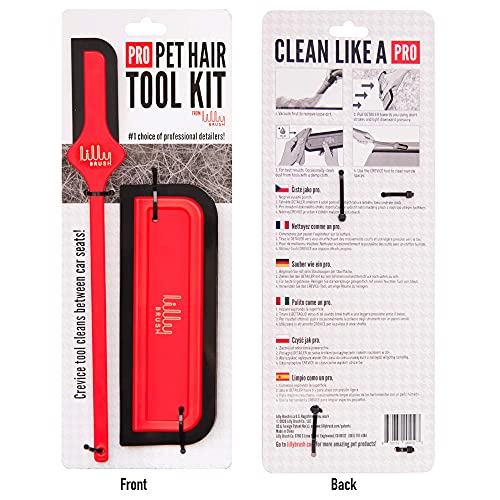
A handheld carpet scraper helps. It brushes the cat hair out of the carpet so you can vacuum it up, and the amount that comes out can be surprising.

Do Savannah Cats Shed? Final Thoughts
All cats shed, and Savannahs are no different. How much yours sheds depends on diet, health, the season and the other things covered above.
Savannahs are known for shedding less than many breeds, and with their short hair they may suit people with cat allergies better, though they are not hypoallergenic.