Are Ragdoll Cats Hypoallergenic? Myth or Truth
As an Amazon Associate I earn from qualifying purchases.
Ragdolls are not hypoallergenic, though they are known for producing lower levels of Fel d1 than other breeds, which may suit someone with mild allergies.
Key Takeaways
- Ragdoll cats are not hypoallergenic. They produce the Fel d1 protein in their saliva, fur and urine, which triggers allergic reactions in susceptible people. They are known for producing lower levels of it than other breeds, though, which may make them a better option for people with mild allergies.
- To manage allergens at home, groom regularly to reduce shedding, vacuum often and consider an air purifier. Changes to your own diet and lifestyle that limit contact with allergens can also help.
- No cat breed is 100% hypoallergenic, but some, like the Sphynx, Devon Rex and Russian Blue, produce fewer allergens and may be better choices for allergy sufferers.
- Stress can make cats shed more, which puts more allergens into the home. Dealing with stress factors like loud noises or changes in the household may reduce shedding and allergic reactions.
Why Do Ragdoll Cats Cause Allergies?
Ragdoll cats are not hypoallergenic.
Ragdolls are not truly hypoallergenic, whatever you may have read. Like all cats, they produce the Fel d1 protein in their saliva, fur and urine.
It is what triggers allergic reactions in people.
When cats shed fur, groom themselves and use the litter box, they spread Fel d1 around your home, and that is where the trouble starts if you react to it.
Ragdolls produce lower levels of Fel d1 than other breeds, so they can suit people with cat allergies better.
Ragdolls are a specific breed with a fur pattern associated with the group of tabby cats (read more about tabby cats here).
They come in different patterns, but all have the distinctive “M” marking on the forehead associated with tabby cats.
Living With a Cat When You’re Allergic
You can’t control how much Fel d1 your cat produces, but you can limit how much of it ends up around your home.
Shedding is one of the main ways it spreads, so start with your cat shedding.
How much your cat sheds depends on breed, diet, health and the season, among other things (more on that below).
Long-haired cats tend to shed less than short-haired breeds, but their fur tangles easily, so grooming them takes more work.
Short-haired cats tend to shed more but are much easier to groom.
There are ways to cut down how much your cat sheds:
Brushing Helps With Shedding
Brushing is one of the best ways to reduce excessive shedding.

Regular brushing removes long hairs and ones ready to fall out anyway, so fewer end up on your carpet, furniture and clothes.
How much brushing a cat needs depends on the breed.
Brushes to Consider
These brushes are very effective and a favorite with cats who dislike brushing. They are a good size, remove a lot of fur and leave the coat soft and fluffy.
For cats that don’t like normal brushes, these gloves can help them get used to being groomed.


Diet
Cats should always be fed a quality, balanced diet.
Most commercial cat food has a suitable balance of ingredients, but cats can still end up short of specific nutrients. Vitamins A, E and B are needed to produce and maintain healthy fur, and a cat that doesn’t get enough may shed more than usual.

Cats need plenty of protein to maintain healthy fur. Some dry foods have less protein than wet food, which often has a higher meat content. If your cat is shedding heavily, switching to a mix of wet and dry, or all wet, could help.
Related: Are Ragdoll Cats Fussy Eaters?
Try a few different foods to find one that improves the coat and cuts shedding.
Stress and Shedding
If your cat is stressed, they may shed large amounts of fur in clumps.
There are plenty of possible causes, and they don’t always point to a medical problem.

Changes of location can stress cats, and bringing a new cat into your home is one of them. Here are tips on introducing a new cat into your home. This is especially true for rescue cats with a troubled past.
Loud noises can be stressful for cats, including loud music, heavy traffic noise and thunderstorms. Reducing background noise can help if your cat is shedding a lot.
How To Minimize Allergic Reactions
Change clothing and bedding regularly
If your cat sleeps on your bed, keeping them off it makes a big difference for allergy sufferers.
Washing bedding and clothes often helps too.
Vacuum regularly
Removing cat hair and other particles from floors and surfaces stops allergens building up where you’ll come into contact with them.
Clean out litter box often
Outdoor cats may not use a litter tray, but if yours does, or lives indoors, cleaning it out often cuts the allergens in the area and stops them being carried through the house.
Wash hands regularly
Washing your hands often reduces the spread of allergens onto household items.
Use an air filter
Air purifiers remove loose hair and other particles from the air before they settle on your clothes, furniture or bedding.
Look for an air purifier with a HEPA filter, which captures airborne allergens, dust and other fine particles. This model from Levoit is a budget-friendly choice.


Change carpets to solid flooring
If you have a Ragdoll, you’ll know a lot of the hair they shed ends up on the floor. Carpets hold hair and other particles far more easily than solid floors.
Even frequent vacuuming doesn’t get it all out, so replacing carpet with solid flooring is an option, though an extreme one, for an allergy sufferer who wants to keep cats.

With carpets, it can seem like the hair never goes away, however much you vacuum.
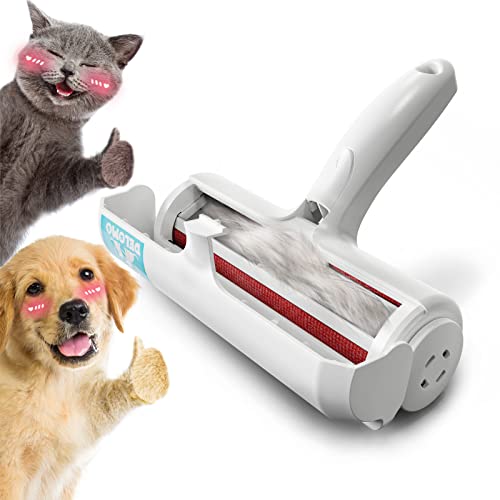
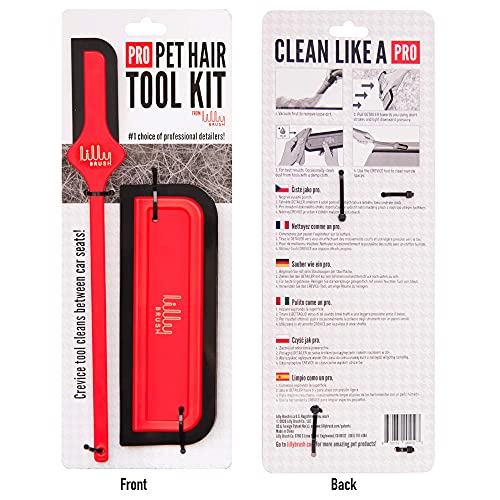
A handheld carpet scraper helps here. It brushes the cat hair out of the carpet so you can vacuum it up, and you may be surprised how much comes out.

Read this article for more on why Ragdoll cats shed and how to cut it down.
Are Any Cat Breeds Hypoallergenic?
No cat breed is completely hypoallergenic, but some, such as Ragdolls, produce less Fel d1 and can be better for people with cat allergies.
Some breeds also shed less fur than others, which can make them easier to live with if you have allergies.
Cat Breeds Which Shed Less
- Sphynx
- Burmese
- Bengal
- Bombay
- Savannah
- Russian Blue
- Devon Rex
- Cornish Rex
- Colorpoint Shorthair
- Siamese
Where Ragdolls Stand
Ragdoll cats are not hypoallergenic.
Like all cats, Ragdolls produce Fel d1 in their saliva, fur and urine, and it is what triggers allergic reactions in people.
Ragdolls are a specific breed with a fur pattern associated with the group of tabby cats (read more about tabby cats here). Even so, they make Fel d1 like any other cat.
Frequently Asked Questions
Possibly. Ragdolls are known for producing lower levels of Fel d 1, the primary allergen in cat dander. No breed is completely hypoallergenic, but some people with allergies can tolerate living with a Ragdoll.
No single breed is completely hypoallergenic, but some are known to produce fewer allergens than others. Ragdoll, Sphynx and Devon Rex are among those often named.
Ragdolls do shed, but their thick, luxurious coats are designed to protect them in cold weather. Regular grooming helps keep shedding down, and their lower Fel d 1 levels may make them a reasonable option for people with allergies.
Read more: Do Ragdoll Cats Shed?
None. All cats produce some Fel d 1, the primary allergen in cat dander, though some breeds produce lower levels, which makes them a better option for people with allergies.
Ragdolls are known for being affectionate and friendly, and many enjoy cuddling with their owners. Personalities vary though, and not every Ragdoll will enjoy it.
Ragdolls can adapt to living indoors, but they also enjoy outdoor playtime and may benefit from supervised time outside. Indoors, give them plenty of toys and stimulation to keep them occupied.
Pin for later
